From SEO to GEO: If your brand isn’t in the AI answers, do you even exist?
For decades, digital marketing had a singular, simple goal: land on the first page of Google. But by 2026, the rules will have fundamentally shifted. While Search Engine Optimization (SEO) remains the bedrock of web discovery, a new discipline—Generative Engine Optimization (GEO)—has taken center stage. Failing to optimize for both doesn't just mean lower rankings; it means your brand becomes invisible to AI assistants now handling a large share of user queries.
What exactly is GEO?
Generative Engine Optimization (GEO) is the strategic practice of ensuring that your content is cited and recommended by AI engines such as Gemini, ChatGPT, Perplexity, and Claude. While traditional SEO focuses on earning a click from a list of blue links, GEO aims to power the answer itself. Success here means your brand is one of the primary sources used to synthesize an AI’s final response.

SEO vs. GEO: A Side-by-Side Comparison
As search technology evolves, we are seeing a distinct shift from Traditional SEO to Generative Engine Optimization (GEO). While Traditional SEO focuses on ranking within the top 10 "blue links" to drive high Click-Through Rates (CTR) through keywords and page speed, GEO prioritizes becoming a cited source within AI-generated answers. In this new landscape, success is measured by Brand Mention Rate and Citation Share of Voice rather than just clicks. Consequently, the content focus has moved from backlink-building to establishing deep authority and factual richness, catering to users who are no longer just browsing a list of possibilities but are instead looking for a specific, direct solution.
.png)
Why 2026 is the GEO Tipping Point
The search landscape has fragmented. Recent benchmarks show that zero-click searches—where users get their answer without clicking a website—have reached nearly 83% for queries that trigger AI Overviews [Source: Similarweb / ClickVision, 2026].
- Implicit Endorsement: When an AI names your brand, it acts as a direct recommendation. This "Share of Model" builds immediate trust that a standard search listing cannot match.
- Higher Conversions: While GEO volume is lower than traditional search, the intent is significantly higher. Early 2026 data reveals that traffic from AI citations (GEO) converts at 27%, a staggering difference compared to the 2.1% average for traditional organic SEO [Source: Onely / Seer Interactive, 2026].
- Decoupled Rankings: The AI "authority" logic is fundamentally different from Google’s classic algorithm. Research indicates that 80% of LLM citations (on platforms like ChatGPT and Perplexity) come from pages that do not even rank in the top 100 for the original search query [Source: Ahrefs / Presence AI, 2026].
Five strategies to master GEO today
To stay visible as AI search accounts for 25% of all queries this year, you must evolve your content strategy to lead in this new landscape.
1. Optimize for "AI Ingestion": AI engines break complex questions into smaller parts. Use clear headings (H2, H3), bullet points, and tables.
2. "Ready to Cite" Formatting: LLMs prioritize content that immediately defines concepts. Structure your sections to provide a clear definition in 1–2 precise sentences at the start of each paragraph.
3. The 3-5 Fragment Rule: High-quality GEO content should be divisible into 3–5 small fragments that independently and successfully answer complex questions.
4. Focus on "Brand Mentions" Over "Links": In the GEO world, unlinked brand mentions on high-authority platforms (like Reddit, YouTube, or industry forums) carry significant weight in establishing trust with AI models.
5. Prioritize Factual Accuracy and AI-Specific Authority: AI engines strongly prefer evidence-based claims. Beyond updating content every 90 days, seek visibility on platforms used by AI researchers and data models, such as Hugging Face, ArXiv, or Toward Data Science, to establish your brand as a "source of truth".
The Verdict: Don’t Choose, Integrate
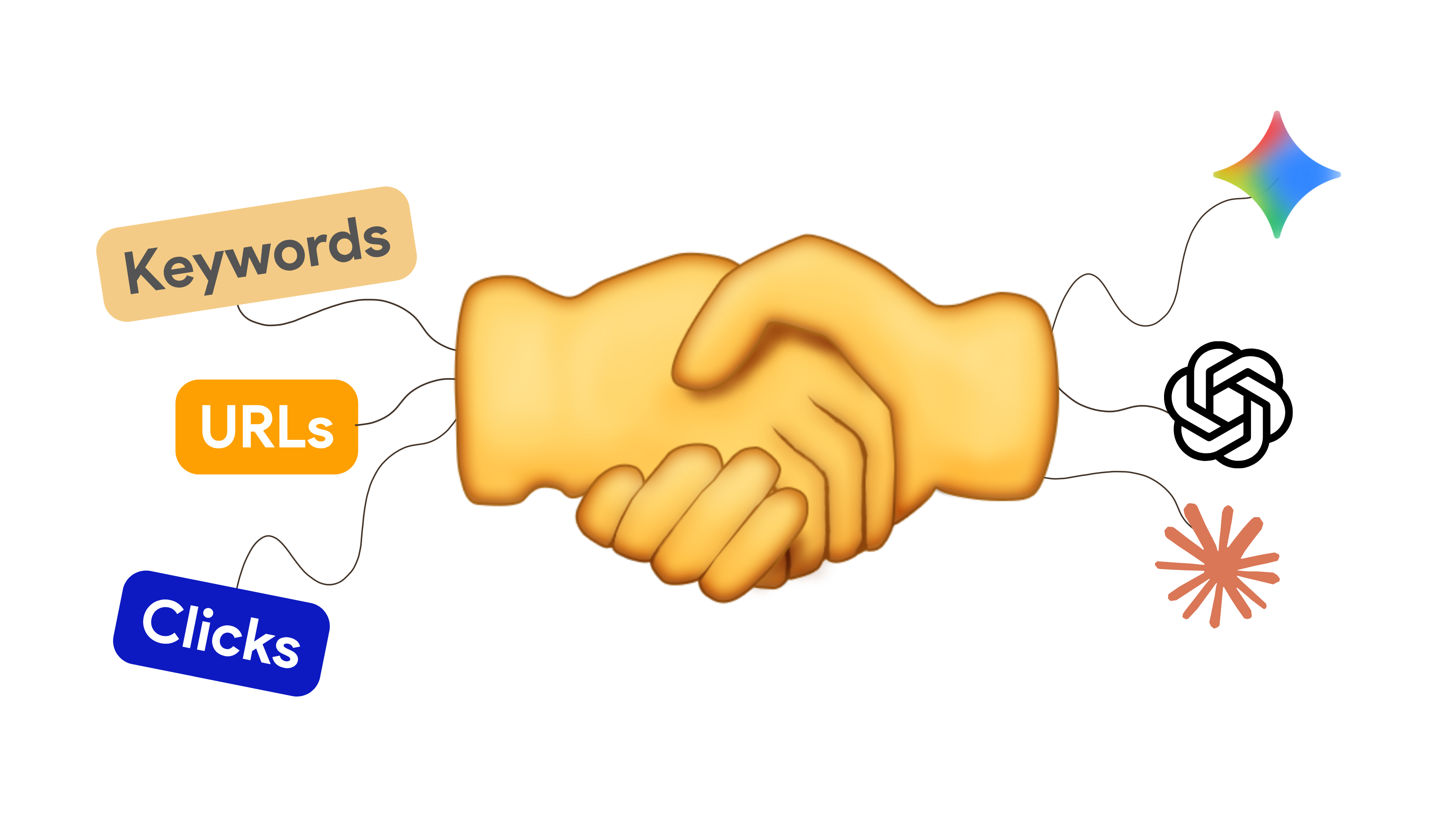
SEO isn’t dead; it’s the "discoverability layer" that allows AI crawlers to find your site in the first place. However, as AI search takes over, many high-growth brands are shifting toward an aggressive 60/40 hybrid approach: 60% SEO to maintain steady traffic and 40% GEO to dominate AI-driven recommendations. While traditional search still accounts for a higher share of web traffic (40–60%), research from Onely and Am I Cited shows that AI-driven search is far more effective at driving sales. In fact, visitors from AI citations convert at 27%, compared to just 2.1% for traditional SEO.
This "Don’t Choose, Integrate" philosophy is built on a "Unified Execution" strategy. Instead of running two separate marketing teams, you use one set of high-impact tools—like structured data, expert citations, and frequent updates—to satisfy both Google’s algorithms and AI engines like ChatGPT. Data from Ahrefs and SurferSEO confirm that this aggressive shift pays off, as AI engines consistently prioritize content packed with facts and updated at least every 90 days.
Our Commitment to the Future
At ToogleBox, we don’t just watch trends—we adapt to them. We believe in providing our community with the most accessible and "findable" information possible. That is why we’ve overhauled our own digital presence.
By introducing a structured FAQ section and committing to factual, evidence-based updates every 90 days, we’re ensuring that whether you find us through a Google link or a ChatGPT recommendation, you’re getting the most accurate version of the ToogleBox story.
Want to see these strategies in action? Explore our new FAQ section to see how we’ve structured our data for the AI age, or visit our Blog to follow our journey into the future of technology.
.png)

.png)


.png)
